


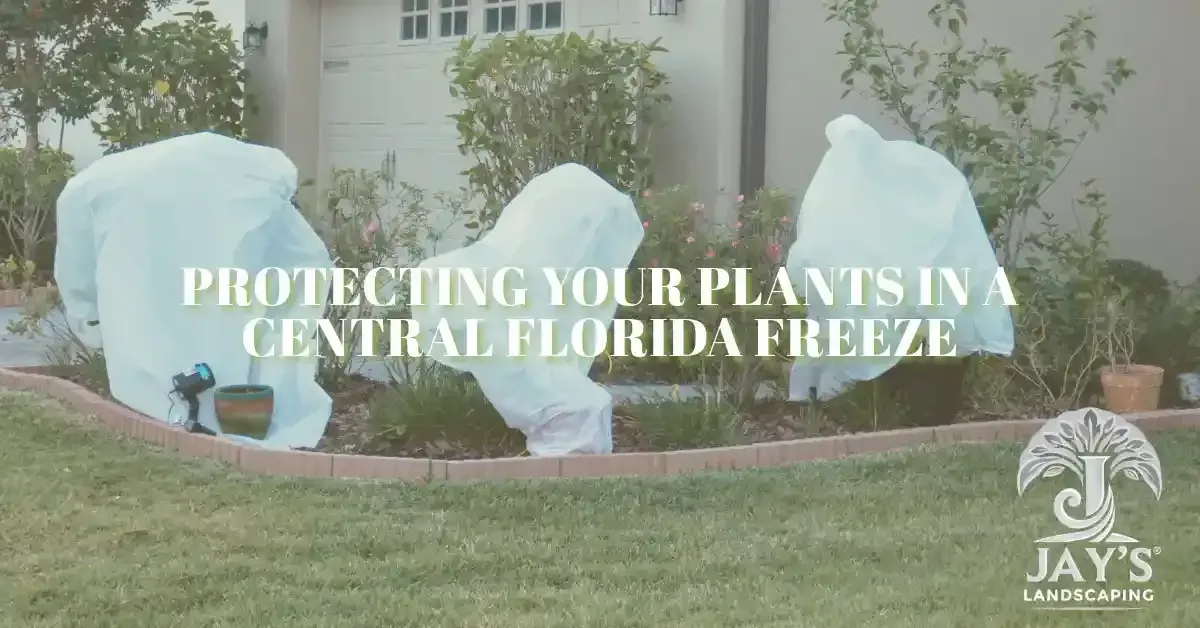
Even in sunny Central Florida, winter occasionally surprises us with a sudden freeze. These cold snaps can be tough on your garden, especially if you’re growing tropical or tender plants that aren’t accustomed to frosty temperatures. The good news? With a little preparation and care, protecting plants from freeze is doable, and will help keep your garden thriving through the colder months. At Jay’s Landscaping, we know how important your plants are and are here to help you safeguard them when the mercury drops. Follow these tips to shield your greenery from a Central Florida freeze. 1. Know Your Local Weather Freezes in Central Florida are often brief, but they’re no less dangerous for your plants. Start by staying updated with accurate, local weather forecasts during the winter months. The National Weather Service and weather apps are great tools to track frost warnings, overnight lows, and wind chills. When you see temperatures dipping into the 30s or frost advisories, it’s time to act. Planning ahead is a key step in protecting your plants. 2. Water Wisely Before the Frost It may sound counterintuitive, but watering your plants before a freeze can actually help. Moist soil absorbs and retains more heat than dry soil, which keeps the roots of your plants warmer overnight. However, avoid overwatering—too much water can lead to root rot, especially in cooler weather. Water your plants early in the day so the soil has time to soak up the heat and radiate warmth to the plant overnight. 3. Cover and Protect Your Plants Covering your plants is one of the most effective ways to protect them from frost. Here’s how to do it right Choose Proper Materials : Use breathable materials like old sheets, blankets, burlap, or frost cloths. Avoid plastic covers, as they can trap moisture and harm your plants. Cover Entirely: Ensure the cover extends all the way to the ground to trap heat from the soil. Use stakes or supports to avoid direct contact with fragile leaves. Remove in the Morning: Once the sun comes up and temperatures rise, uncover your plants to allow them to bask in the warmth and prevent condensation buildup. For smaller potted plants, you can simply move them indoors or into a garage for the night. 4. Add Mulch for Insulation A layer of mulch acts like a cozy blanket for your plants. Spread 2–3 inches of mulch around the base of your plants to insulate their roots and retain soil moisture. Mulch also reduces temperature fluctuations in the soil, keeping it steadier during those cold nights. Consider organic mulches such as wood chips, pine needles, or straw for added nutrients as they break down over time. 5. Focus on Frost-Sensitive Plants Certain plants are particularly sensitive to frost, such as tropical varieties, succulents, hibiscus, and young saplings. Be sure to prioritize these when taking protective measures. If you have limited time or resources, start with these vulnerable plants to minimize potential damage. For larger fruit trees, consider wrapping the trunk with an insulated barrier like foam wrap or burlap. 6. Bring Potted Plants Indoors Potted plants are more susceptible to freeze damage because their roots are less insulated compared to plants in the ground. To protect them, bring them inside or to a sheltered area like a covered porch or garage. If moving them inside isn’t an option, group the pots together to create a microclimate and wrap them with blankets or frost cloths. 7. Keep Low-Tech Heat Sources Handy Sometimes, you need a bit of extra warmth on particularly cold nights. To add warmth, try these simple tricks: Place outdoor lights (like old-school incandescent Christmas lights) around your plants under the cover. They emit just enough heat to help protect from frost. Use jugs of warm water placed near the base of larger plants under their cover to radiate heat overnight. Remember to always use outdoor-safe lights and follow safety precautions. 8. Prune Strategically While it may be tempting to trim your plants before a freeze, resist the urge. Pruning stimulates new growth, which is more vulnerable to frost damage. Instead, wait until after the coldest part of the winter to prune dead or damaged foliage. It’s also a good idea to leave faded blooms and leaves on plants like roses or hibiscus, as these act as a natural shield during cold weather. 9. Plan Ahead for Future Winters If this is your first Central Florida freeze, take note of which plants struggled the most during the cold snap. Going forward, consider incorporating plants that are naturally more cold-tolerant into your garden, such as native species or hardier shrubs. You can also invest in reusable frost blankets, mulch, or even cold frames for more sustainable and long-term winter protection. 10. Stay Connected with Your Local Gardening Community Finally, don’t go it alone! Join local gardening clubs, Facebook groups, or follow Central Florida gardening experts to share tips, successes, and challenges. Jay’s Landscaping is always here to guide you with tailored advice for your unique garden.

Creating a welcoming, peaceful environment for residents is a top priority for assisted living facilities. One often overlooked factor that contributes significantly to this is landscaping. The right landscaping design goes beyond aesthetics; it actively supports residents’ physical and emotional well-being. If you’re managing an assisted living facility in Central Florida, turning to a trusted expert like Jay’s Landscaping for professional landscaping services can make all the difference.
A lush, green lawn is a point of pride for many homeowners in Florida. But keeping that landscape healthy requires more than just flipping a switch on your sprinkler system. An efficient irrigation system is crucial, and regular inspections are the key to ensuring it runs perfectly. These check-ups aren’t just about maintenance; they’re a smart investment that protects the environment, saves you money, and keeps your property looking its best. Ignoring your irrigation system can lead to significant water waste, surprisingly high utility bills, and potential damage to your landscape. A professional inspection identifies and resolves these issues before they become expensive problems. This article will explain how regular irrigation inspections benefit both your wallet and the environment, what a professional checks for, and why it’s a vital part of landscape maintenance in Central Florida.